
خط التماس | Kav Ha Tefer | קו התפר | The Seam Line
Documentary Series | Jerusalem
The Seam Line is a five-part documentary series examining the fragile threads that, woven together, create Jerusalem’s Christian, Jewish, and Muslim tapestry - simultaneously connecting and dividing Israelis and Palestinians, religious and secular, sacred and profane.
Living together in this multi-cultural, multi-religious, multi-identity city is not always a matter of choice, but often the consequence of history and circumstance. However, alongside the inevitable frictions and tensions, unexpected collaborations, friendships, and partnerships can and do develop.
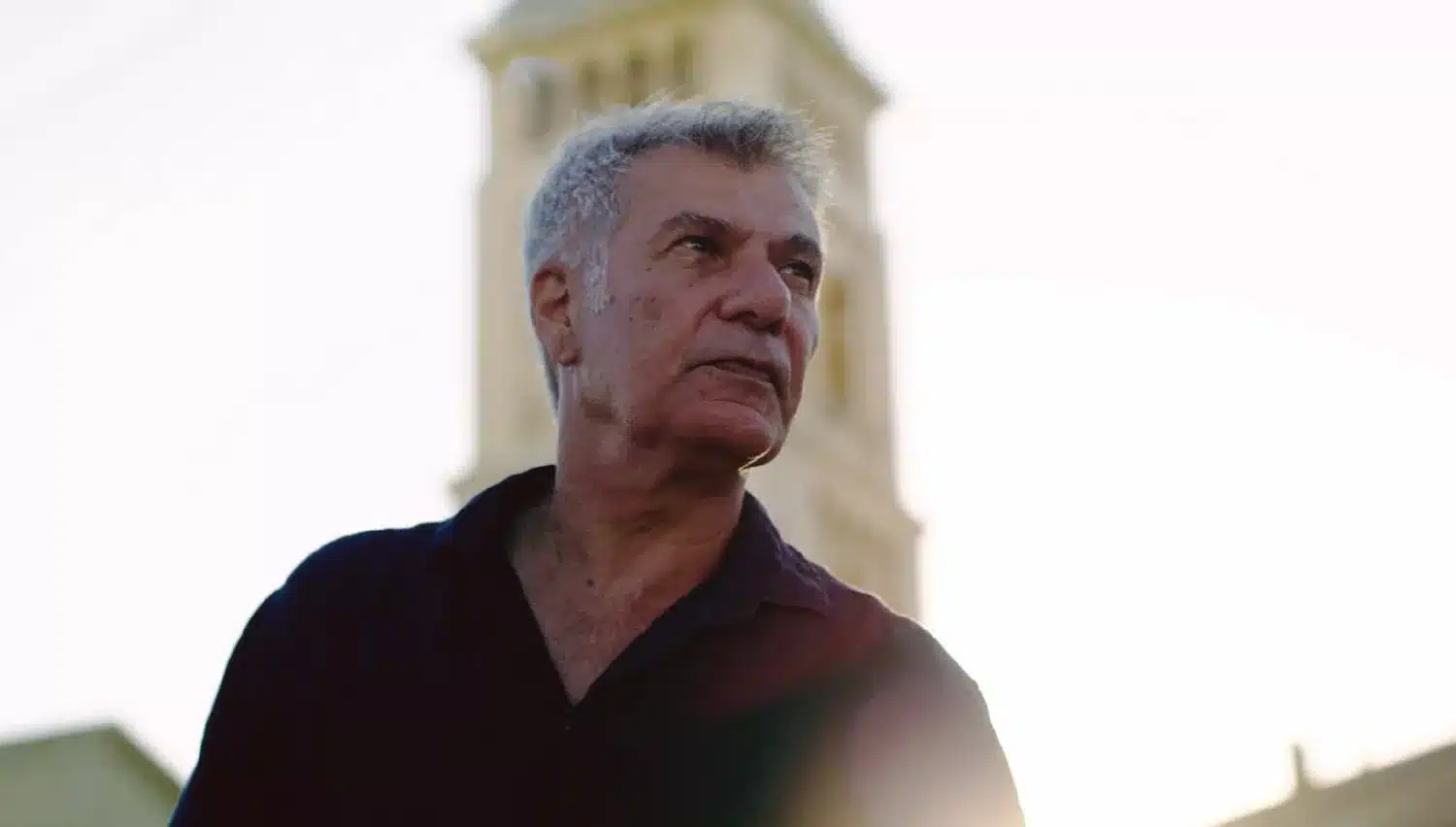
In the late 1980s and throughout the 1990s, the Arab-Israeli conflict exploded into the intifada - lethal and violent protests and riots throughout Israel. This was the most chaotic and dangerous period in the history of the modern city of Jerusalem. Avi Melamed, a fourth-generation Jerusalemite Jew, former intelligence official, fluent Arab speaker and Middle East expert, is the host of The Seam Line. As the Advisor on Arab Affairs to two Mayors of Jerusalem during the intifada, his mission was to rebuild relations between the Arab and Jewish communities in Jerusalem. His work put him in the epicenter of this deadly storm.
The Seam Line is not a historical documentary. Rather, it is an invitation to join Avi on a personal journey through the city, from north to south, east to west. It is an unparalleled opportunity to explore the conflict in and over Jerusalem from his unique perspective. Along the way, you will meet Avi’s Arab and Jewish friends who will give you insights and perspectives rarely explored by the Western media. Their conversations also demonstrate that constructive bridges can be built in times of extreme conflict. Our goal and hope is that the philosophy, principles, and conflict resolution strategies Avi shares in this series will not only illuminate the challenges faced by a single city but open the door to a more productive discussion of the entire Israeli-Palestine conflict and, beyond that, to the complex reality of the Middle East as a whole.
Following an intelligence career in Arab cities and communities throughout the Middle East, Teddy Kollek, the iconic Mayor of Jerusalem for over 30 years, called Avi Melamed in for a special meeting. “I’ve heard good things about you,” Teddy said.
That is how Avi Melamed, at the age of 29, became the youngest Advisor on Arab Affairs in the city of Jerusalem during one of the most chaotic and violent chapters in Jerusalem’s history – the 1st and 2nd intifadas.
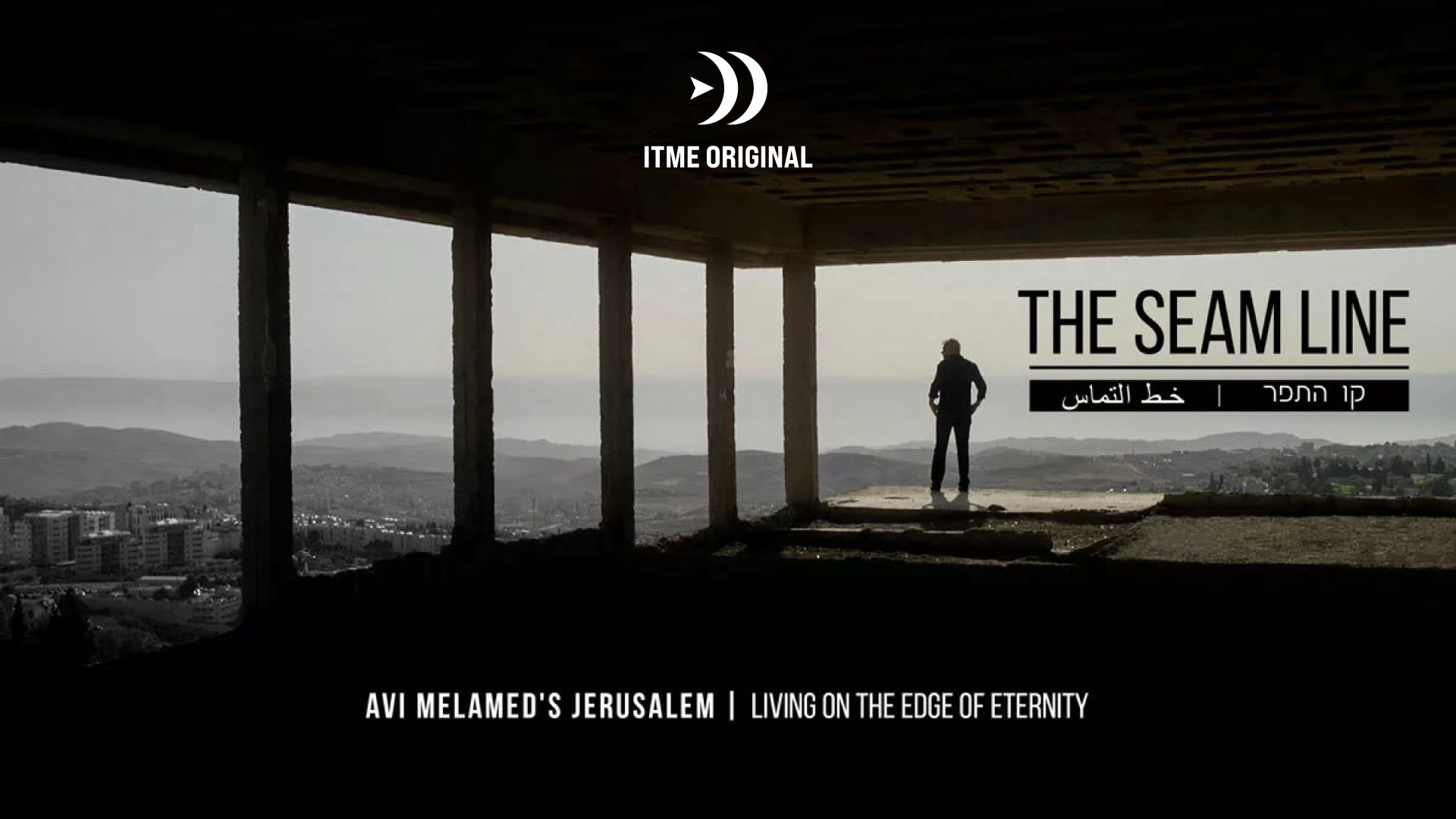
His task? To enter Arab and Jewish communities and neighborhoods to contain the violence and improve the lives of all of the city’s residents. As a fourth-generation Jerusalemite Jew, but fluent Arab speaker, Avi embraced this extraordinary – and dangerous - challenge to offer hope in times of despair to a city that he is a part of – and that is a part of him. Working with the city’s residents to build bridges of understanding and cooperation, cultivate local leadership, and reduce the flames of friction and conflict, his innovate solutions were often unprecedented and groundbreaking.
Drawing on this unique background, The Seam Line is a five-part documentary journey with Avi, from the Old City to Arab and Jewish neighborhoods throughout Jerusalem that were - and are - at the heart of the city’s conflicts. Going behind the scenes to see and feel the complex and challenging geopolitical fabric of the city, The Seam Line provides a rare opportunity to explore Jerusalem through the eyes of someone who walked the line between Arab and Jewish communities during one of the most explosive periods of its history. Avi’s conversations with both Jewish and Arab residents reach beyond the physical borders and particular challenges facing this ancient city to embrace perspectives on Jerusalem, Israel, and the Middle East seldom, if ever, addressed by the Western media or in Western discourse.
The Seamline does not attempt to tell you what to think about Jerusalem – or about the Middle East generally. Instead, drawing on the two pillars that underpin Avi’s broader educational effort – Inside the Middle East – the series encourages the viewer, first, to see the city’s conflicts in the context of the broader cross-currents of the Middle East (or as Avi puts it: “To understand Israel, you must understand the neighborhood”) and, secondly, to adopt, foster and promote critical thinking based on local perspectives and realities. In short, to view Jerusalem from within; to see the city from the points of view of its inhabitants, free of the perspectives and preoccupations of outside observers. Approaching its subject from this apolitical, non-partisan perspective, we hope The Seam Line helps to open the door to a more productive dialogue about the Israeli-Palestine conflict and the broader reality of the Middle East.
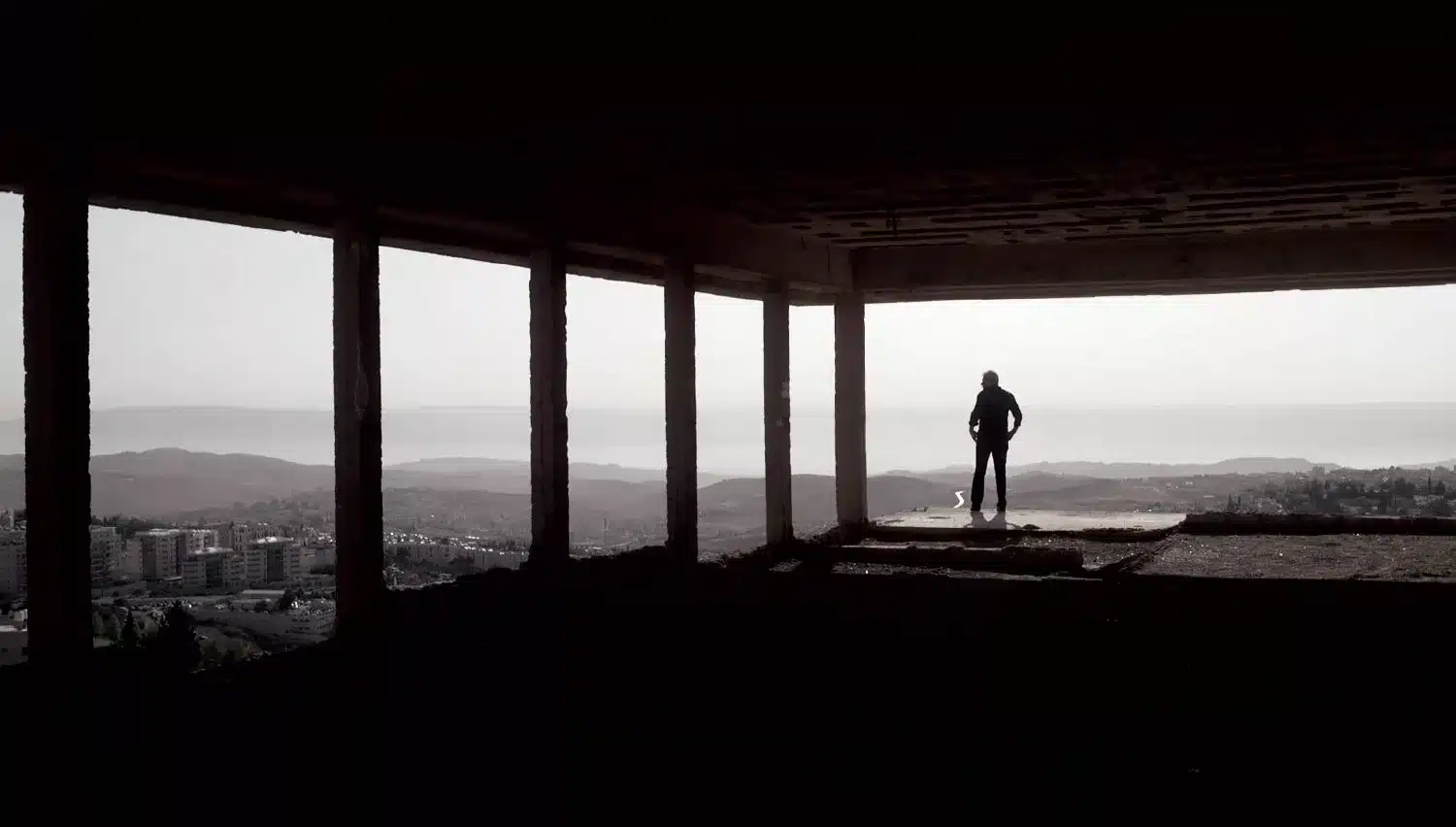
Episode 01 - Jerusalem | Living On The Edge Of Eternity
In this episode, we will traverse Jerusalem and travel through time. Along the way, we will explore the many seam lines - visible and invisible - in the city of Jerusalem. We will review key milestones central to the development of Jerusalem's geopolitical structure from 1948 to the present day. And most important, we will “build the database” necessary to understand the rest of the series, and critical to understanding Jerusalem, Israel, and the Middle East today. Through satellite images, photos, drones, and maps, we will zoom in and zoom out on the city. And at the end, we will discover an important fact about the geopolitical reality of Jerusalem, which has far-reaching consequences.
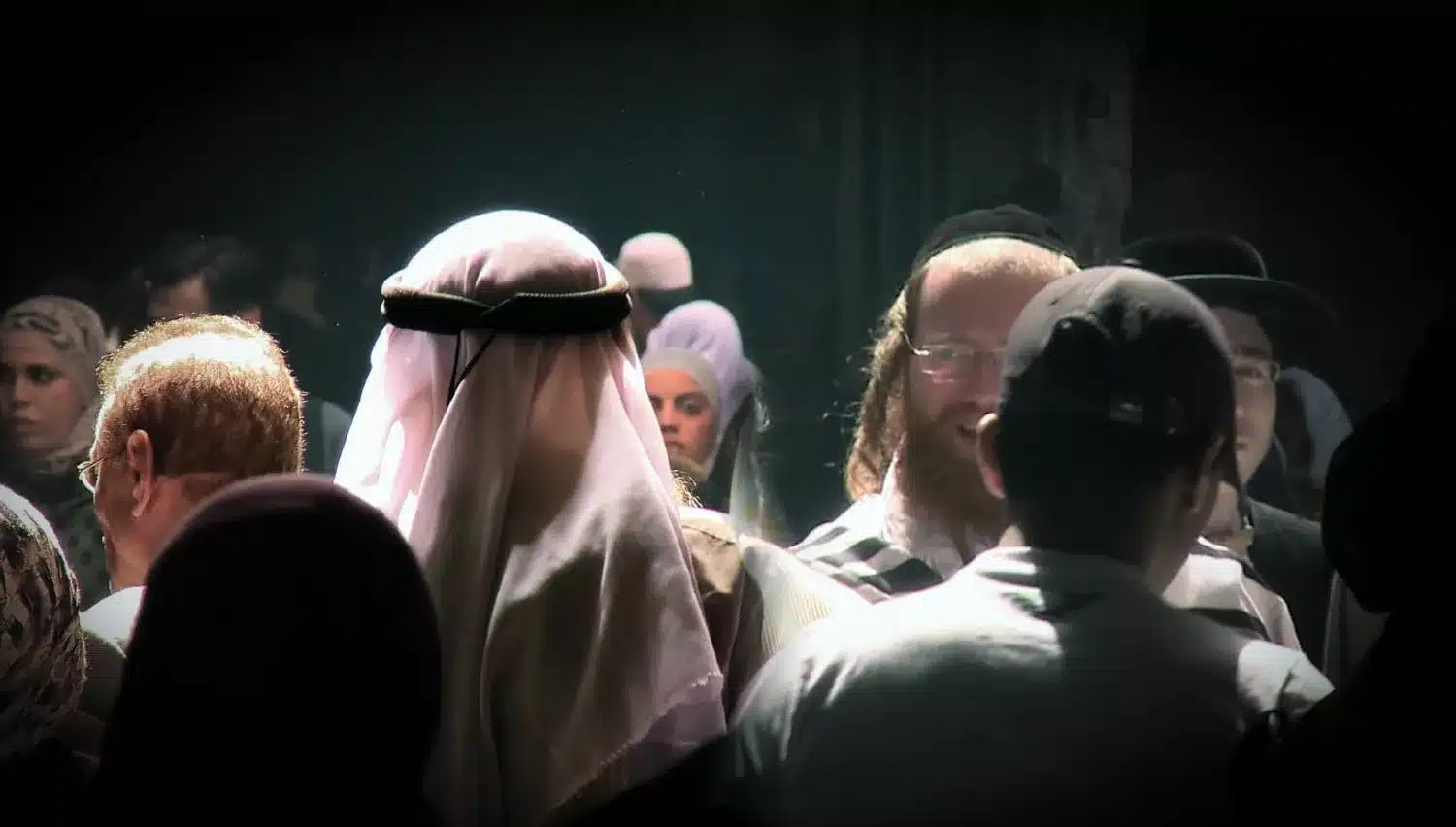
Episode 02 - Existence | Coexistence
Step into Jerusalem's Old City, a square mile teeming with history and diversity. Experience one of the world's most visited destinations, where Muslims, Armenians, Christians, and Jews live side by side. Delve into the delicate reality that lies beneath this vibrant tapestry. Meet Ami Meitav, a liaison between the Municipality and the Old City as Avi and he discuss similarities and differences in the Old City in the shadow of the intifada and today. Avi continues this theme as he meets Abu Al-Amir, who continues his father’s legacy as a shopkeeper in the Christian Quarter of the Old City. Together they Explore the lesser-known aspects of the Israeli-Palestinian conflict, where issues unrelated to the dispute can ignite tensions. In this episode Avi unravels the hotspots and shares his strategies to neutralize flashpoints. Witness the transformative power of small yet significant actions, shaping the reality of Jerusalem's Old City even in times of adversity. Experience the profound stories and remarkable transformations that unfold along the seamline of existence and coexistence.
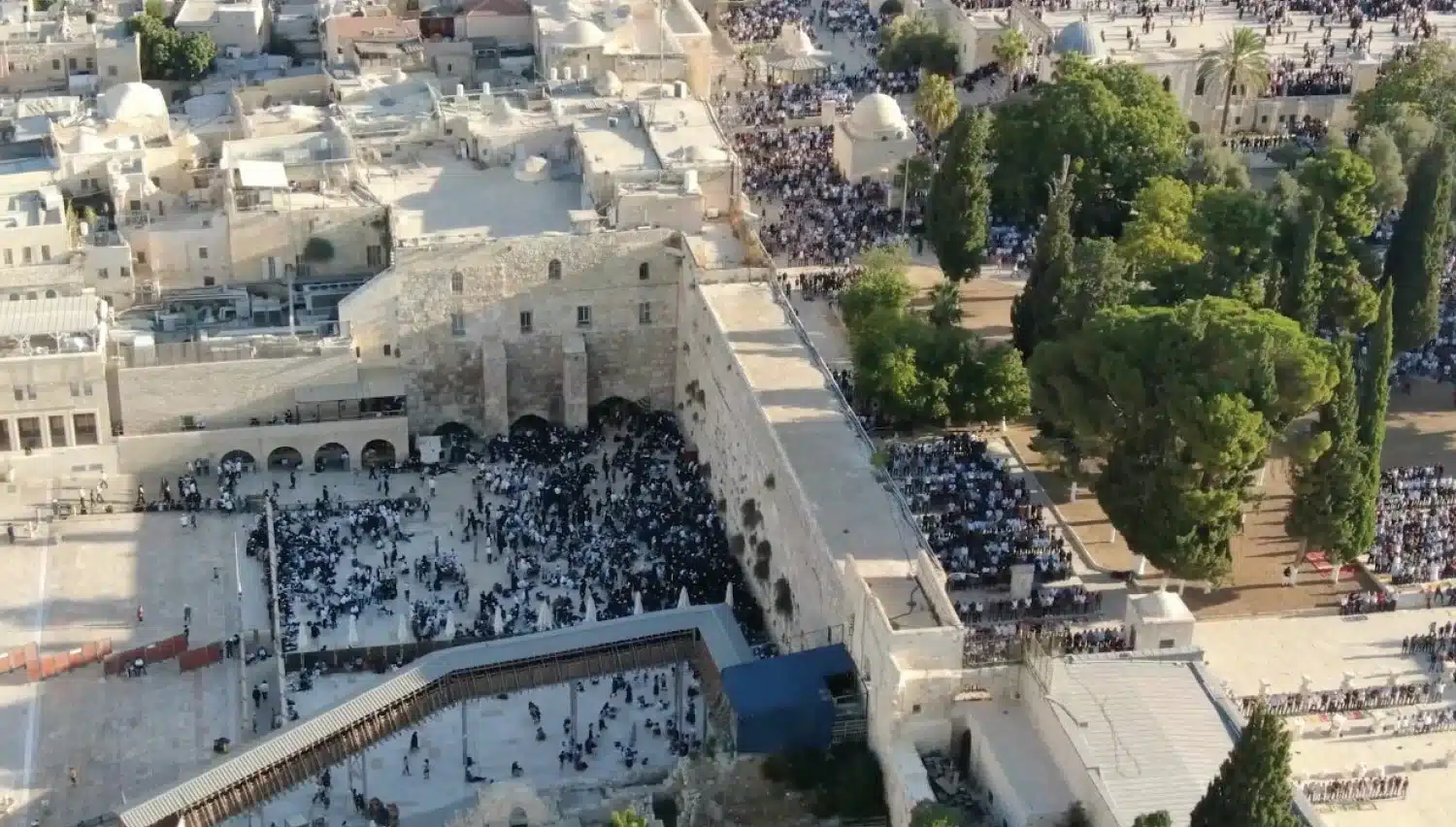
Episode 03 - Tolerance | Fanaticism
Discover the Seam Line between tolerance and fanaticism on the Temple Mount. Unveil the compelling narratives of Har Habayit and Al-Haram Al-Sharif, where emotions, spirituality, and religious significance converge for Jews and Muslims alike. Gain insights from Dr. Dotan Goren, an esteemed Israeli historian, as he unveils the impact of Zionism, Israeli politics, and halachic Judaism on Har Habayit. Engage in thought-provoking discussions with Dr. Mustafa Abu Sweih, a revered Muslim theologian, to understand the Islamic viewpoint of al-Haram al-Sharif. Delve deeper with Hussein Abdul Hussein, a renowned researcher, as he uncovers the Temple Mount's role in internal power struggles, inter-Arab conflicts, regional dynamics, and the complexities within the Islamic world. Experience the untold stories at the crossroads of peace and conflict, where the Temple Mount embodies the delicate balance between tolerance and fanaticism.
Episode 04 - Politics | Pragmatism
During the first Intifada, the young Palestinian generation prioritized violent resistance over daily life needs and services, leading to a collapse of leadership as well as municipal and government services in Arab neighborhoods across the city. One of the epicenters of violence in Jerusalem was Isawiya. Join Avi as he returns to Isawiya and reconnects with his Arab partners, who bravely risked their lives to work with Avi to improve the lives of every Isawiya resident. The story of Isawiya mirrors the development of normalization between Israel and select Arab countries, reflecting the tension between pragmatism and narratives. Avi engages in thought-provoking discussions with Ramadan Dabbash, exploring the past and future of political participation for Jerusalemite Palestinians. He delves into the far-reaching implications of normalization as Dalia Ziada, director of MEEM, shares insights into its origins, the positions held by supporters and opponents, and the prospects ahead. This captivating episode unveils Jerusalem as a microcosm, examining its neighborhoods and the city, shedding light on the intricate interplay between politics and pragmatism, local dynamics, and the broader regional landscape.
Episode 05 - Fences | Bridges
In the midst of the violent flames of the intifada, hope emerged from two-seam line neighborhoods, East Talpiot and Jabal al-Mukabbar. In "Bridges | Fences," the final episode in this five-part series, we encounter the extraordinary efforts of community leaders who embarked on a journey of pragmatic dialogue, spearheaded by Avi, to forge a new reality of hope. Thirty years later, Avi goes back to meet Mukhtar Mukhtar Mahmoud Hamdan Hussein, the respected Arab community leader and Talia Levit, an influential educator, and community leader, who were both instrumental in the transformative – often secretive - dialogue during the violent Intifada. Their conversations offer fascinating insights into the decades that have passed since their pioneering efforts. Meet Tami Lavie, a passionate social activist, who fosters connections between East Talpiot and neighboring Arab communities today. Gain invaluable insights into the complexities, and achievements, and reflect on the challenges they faced – then and today – on their journey towards understanding and coexistence. This thought-provoking episode highlights the power of pragmatic dialogue to achieve the shared aspirations of Arab and Jewish communities amidst conflict. Embark on this extraordinary episode, where bridges are built, fences are dismantled, and a glimmer of hope illuminates the path ahead.