




























































|
Getting your Trinity Audio player ready...
|
When Celebrities Become Public Property: Arab Media and the Private Lives of cultural icons | An original article by Avi Melamed.
In the age of social media, celebrities in the Arab world are no longer simply singers, actors, or cultural figures. Their lives, opinions, relationships—and sometimes even their distant past—have become raw material for an intense, emotional, and at times ruthless public conversation. The phenomenon does not spare even stars who are no longer alive.
One example is an article published in the widely read Saudi newspaper Asharq Al-Awsat about the renowned Lebanese American poet, painter, and philosopher Kahlil Gibran. The article portrays him as oscillating between two extremes—womanizing and sexual abstinence. Gibran, incidentally, died 95 years ago.
A striking example is the recent debate in Egypt surrounding Umm Kulthum, triggered by a new film about her life starring Mona Zaki. Fifty years after her death, the “Star of the East” remains far more than a singer. For many, she is part of the Egyptian and Arab collective memory—a symbol of identity, nostalgia, and belonging. Precisely for that reason, any attempt to revisit her character, legacy, or personal life can provoke strong reactions.
But the debate surrounding Umm Kulthum is part of a much broader phenomenon. Arab social media repeatedly turns its attention to the private lives of cultural icons, past and present. In Egypt, recent controversies have involved discussions of artists such as Shadia and Abdel Aziz Makhyoun. Ashraf Zaki, head of Egypt’s Actors Syndicate, has warned against what he describes as a growing phenomenon of attacks and defamation targeting artists, including those who have already passed away.
The controversy raises two fundamental questions: Does becoming a public figure make one’s private life public property? And where is the line between legitimate critical discussion and gossip, defamation, and character assassination?
Saudi writer Mishari Al-Dhaidi, reflecting on the controversy surrounding Umm Kulthum and other cultural figures, offers his own perspective on these questions. Public figures, he argues, cannot be considered immune from discussion of their private lives simply because such scrutiny may be uncomfortable or controversial. That said he emphasized it does not legitimate defamation any person has the right to take legal action to counter defamation and false information. At the same time, he is skeptical that legislation can eliminate the ugly and defamatory side of social-media discourse. Ultimately, he suggests, such online controversies are like “water under the bridge”—part of a phenomenon that cannot simply be legislated out of existence and thus should be ignored as much possible.
His observation points to the heart of the dilemma. Some seek to address the problem through legislation. In Egypt, there have reportedly been initiatives aimed at deterring social media users from defamatory behavior. But this raises another problem: Who decides what constitutes legitimate criticism and what constitutes an offense? And could legislation intended to protect individuals from defamation become a tool for restricting freedom of expression?
The dilemma is not unique to Egypt. In Jordan, for example, tougher cybercrime legislation generated criticism from those who argued that provisions targeting “false information,” defamation, and incitement could restrict freedom of expression and discourage citizens from criticizing politicians and other powerful figures.
Social media has therefore transformed not only the way celebrities communicate with their audiences, but the very nature of the relationship between them. The celebrity no longer controls his or her public image. Millions of users interpret it, dissect it, judge it—and sometimes rewrite the person’s life story.
In the case of cultural icons such as Umm Kulthum, there is yet another dimension. The debate is not only about the private life of a singer. It becomes a debate about memory, identity, values, and ultimately about who owns the story of a public figure once that person has become part of the collective cultural heritage.
In the age of social media, the answer is becoming increasingly complicated.
This article is also available as a Podcast: the AiTME Podcast. This Podcast was written and created by Avi Melamed, Middle East Intelligence Analyst and Founder of Inside The Middle East [ITME], an institute dedicated to apolitical, non-partisan education about the Middle East.
“This podcast is made possible by supporters like you. ITME is an independent, nonprofit institute committed to apolitical, intelligence-based Middle East education.
To support our work, visit >> https://www.paypal.com/donate/
When Celebrities Become Public Property: Arab Media and the Private Lives of cultural icons | An original article by Avi Melamed.
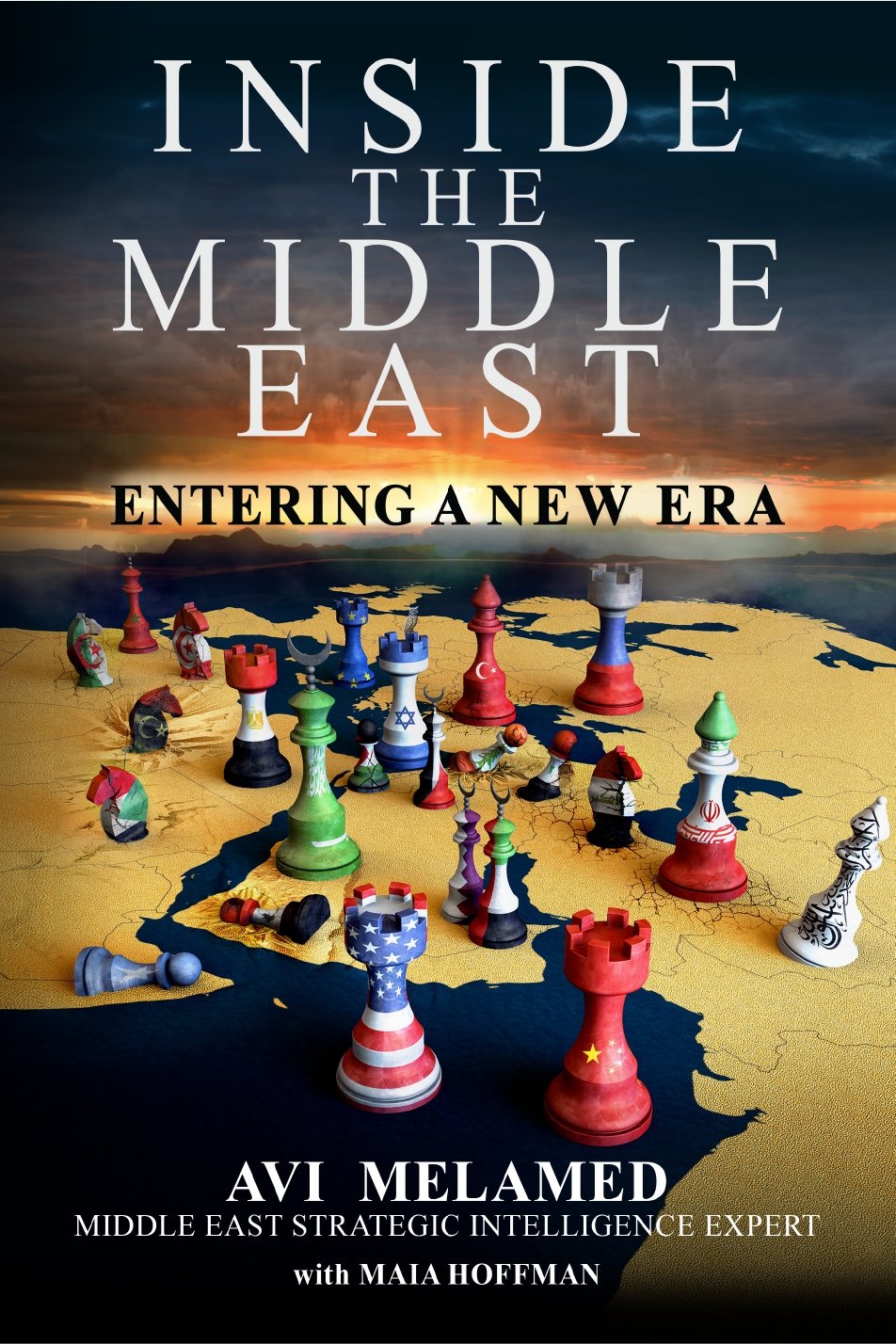
If you want to have a better understanding of the news and what really drives the unfolding events… Read the latest book of Avi Melamed, INSIDE THE MIDDLE EAST | ENTERING A NEW ERA, available now >>>
Follow me on Twitter @AviMelamed; Facebook @InsideTheMiddleEast; for more Videos on YouTube https://www.youtube.com/c/AviMelamed
I can always be reached at Av*@********ed.com