








































|
Getting your Trinity Audio player ready...
|
The Kurds in Iran: Eastern Kurdistan (Rojhelat) Episode 2 | AiTME #19 | An article by Avi Melamed | Podcast version powered by Ai.
Rojhelat (Eastern Kurdistan) refers to the Kurdish-inhabited regions of western Iran. It includes parts of three main provinces: Kurdistan Province, Kermanshah Province, and West Azerbaijan Province (with smaller Kurdish communities also present in Ilam).
Demographics
Iran is home to an estimated 8–10 million Kurds, making it the second-largest Kurdish population after Turkey. Iranian Kurds are predominantly Sunni Muslims, though significant communities of Shiʿa Kurds, Ahl-e Haqq (Yarsan), and small Christian minorities also exist. Kurdish identity in Iran is shaped by strong linguistic, cultural, and regional cohesion, alongside long-standing political marginalization.
Historical Background: Kurds in Iran
Since the end of World War I and the redrawing of borders in the Middle East, both Iran and Turkey have feared that Kurdish autonomy or independence elsewhere—especially in Iraq—could inspire their own Kurdish populations to pursue similar aspirations.
This concern materialized in the aftermath of World War II. In January 1946, under Soviet protection in northwestern Iran, Kurdish leaders declared the Republic of Mahabad. The republic was founded by the Democratic Party of Iranian Kurdistan (PDKI) and led by Qazi Muhammad, who became its president. It attracted support from Kurds across the region, particularly from Iraq, where Mustafa Barzani joined with thousands of fighters.
The republic survived for only ten months. In November 1946, following the Soviet withdrawal under U.S. pressure and in line with the Yalta agreements, Iranian forces reasserted control. Qazi Muhammad was executed, and the republic collapsed. Its defense minister, Mullah Mustafa Barzani—father of Masoud Barzani—fled to the Soviet Union and later returned to Iraq in 1958. The Mahabad Republic remains a powerful symbol in Kurdish collective memory; its 71st anniversary was commemorated in Iraqi Kurdistan in 2016.
Key Kurdish Political and Armed Movements
- PJAK (Kurdistan Free Life Party)
An Iranian Kurdish militant organization ideologically aligned with the PKK, operating mainly along the Iran–Iraq border and opposing Tehran. - PDKI (Kurdistan Democratic Party of Iran)
One of the oldest Kurdish political parties in Iran, historically central to Kurdish nationalism - PDK (HDK)
A splinter faction of the PDKI, based primarily in Iraqi Kurdistan and opposed to the Iranian regime
Iranian Kurds and the Mullah Regime
Following the Islamic Revolution of 1979 and during the Iran–Iraq War (1980–1988), some Iranian Kurds attempted to revive their autonomy or secessionist ambitions. These efforts were met with harsh repression by Tehran, including military campaigns and the assassination of Kurdish opposition figures, some of them carried out in Europe.
In recent decades, Iranian Kurds have increasingly sought integration through political participation, including elections. However, the Islamic Republic continues to discriminate against Kurdish regions socially, economically, and politically, leaving Kurdish grievances unresolved and periodically reigniting tensions between Tehran and Kurdish actors.
Here’s a short, focused synopsis of recent tensions between Kurds in Iran and the Iranian government, especially in light of the January 2026 uprising:
In early 2026, nationwide protests erupted in Iran initially over economic grievances, including inflation and the collapse of the currency, but quickly broadened into anti-government demonstrations calling for systemic change. Kurds in northwestern Iran (Rojhelat) participated in these protests, with strikes and demonstrations reported in Kurdish cities and workers joining broader unrest, despite heavy repression by Tehran.
A coalition of Iranian Kurdish political parties publicly supported the nationwide protests, called for general strikes, and issued statements condemning the regime’s violent crackdown, while urging the international community to act against Tehran’s abuses.
Some Kurdish groups, including the Kurdistan Freedom Party (PAK) and others, claimed armed actions against Iranian security forces, and there were reports of attempts by armed Kurdish fighters to cross into Iran from Iraq, suggesting a more confrontational dimension amid the instability. (fdd.org)
The protests have been met with brutal force by the Iranian state, including lethal shootings, mass arrests, internet blackouts, and military-grade crackdowns affecting Kurdish regions alongside rest of the country. Kurds — especially youth — have been among those killed, and Kurdish political dissent has become part of broader opposition to the regime’s repression.
Overall, tensions between Iranian Kurds and the government have shifted from long-standing demands for rights and autonomy to full participation in a national uprising challenging the regime.
This article is also available as a Podcast: the AiTME Podcast. This Podcast was written and created by Avi Melamed, Middle East Intelligence Analyst and Founder of Inside The Middle East [ITME], an institute dedicated to apolitical, non-partisan education about the Middle East.
“This podcast is made possible by supporters like you. ITME is an independent, nonprofit institute committed to apolitical, intelligence-based Middle East education.
To support our work, visit >> https://www.paypal.com/donate/
The Kurds in Iran: Eastern Kurdistan (Rojhelat) Episode 2 | AiTME #19 | An article by Avi Melamed | Podcast version powered by Ai.
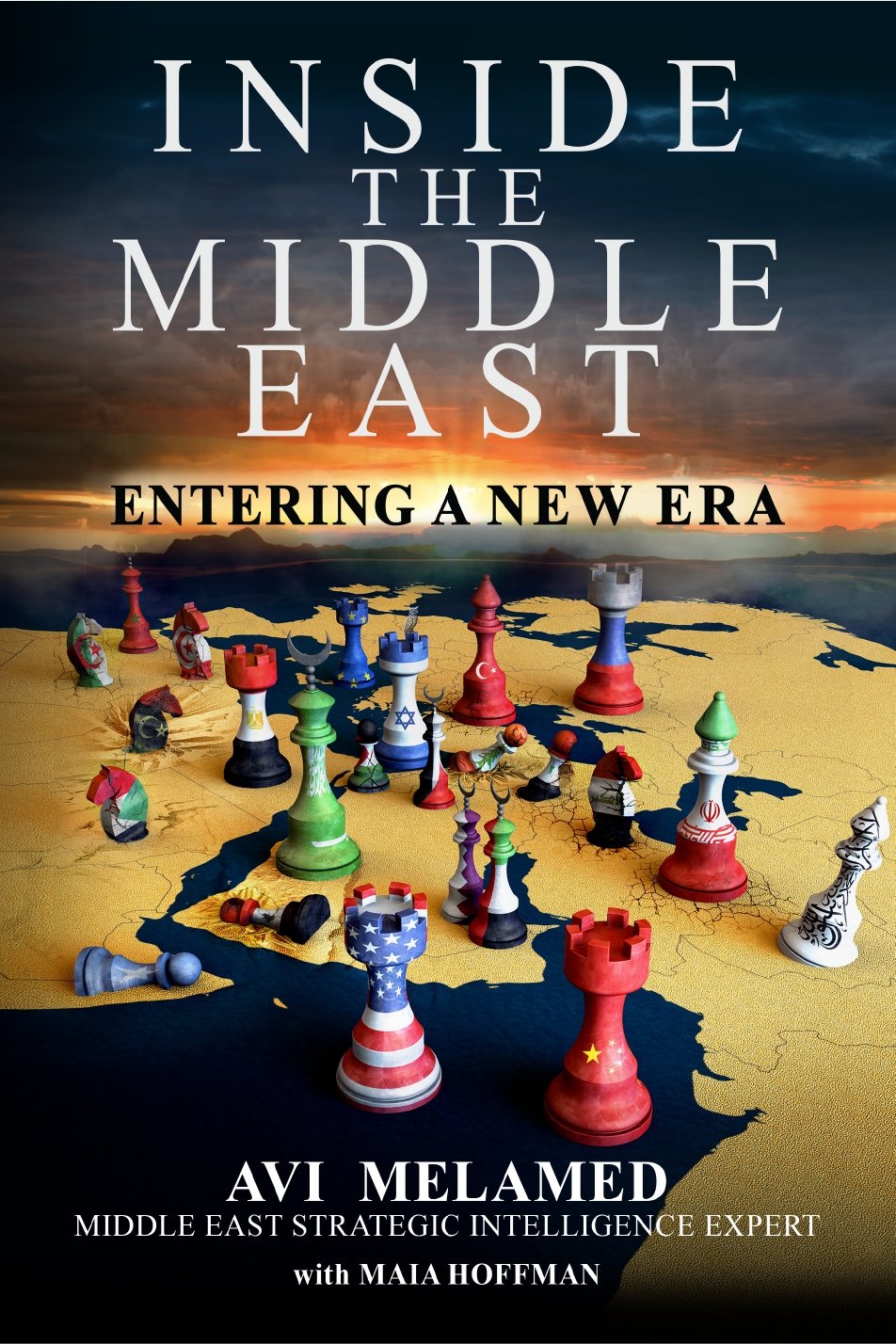
If you want to have a better understanding of the news and what really drives the unfolding events… Read the latest book of Avi Melamed, INSIDE THE MIDDLE EAST | ENTERING A NEW ERA, available now >>>
Follow me on Twitter @AviMelamed; Facebook @InsideTheMiddleEast; for more Videos on YouTube https://www.youtube.com/c/AviMelamed
I can always be reached at Av*@********ed.com